Inside Bubble’s Gen Z Dominance

What do teens actually want? This age-old question was asked by Bubble’s CEO, Shai Eisenman, and the answer inspired her to create the global Bubble skincare brand.
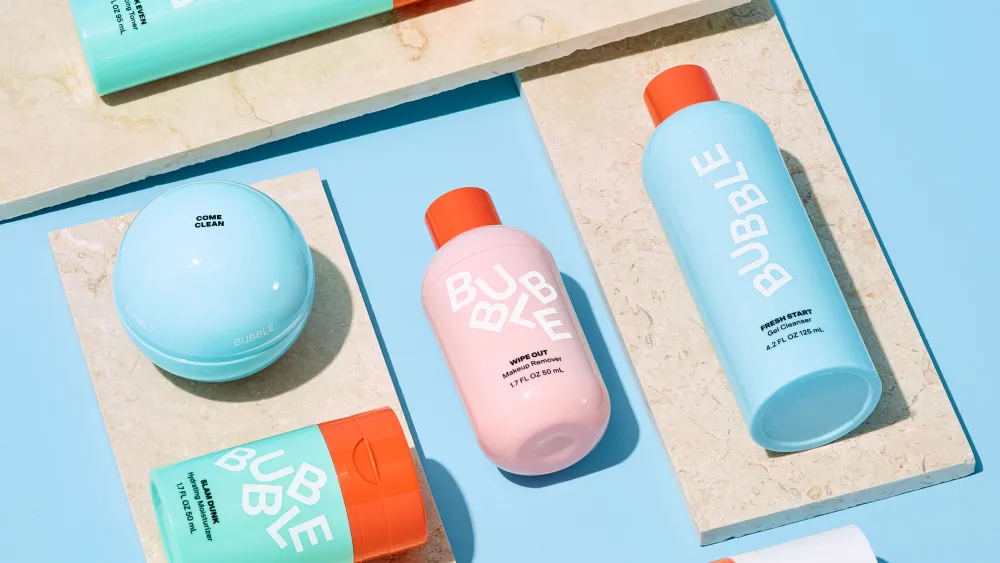
Shai dreamed of providing high-quality, affordable products when founding the company in 2020. Today, Bubble is carried by beauty giants like Walmart, Sephora, and ULTA. Gen Z is a socially driven generation that values authenticity above all else. Bubble made its brand ambassadors central to marketing, continually engaging the community for content and feedback while boosting social media promotions. Like Cluely, Bubble’s social strategy features three content and marketing tiers.
Tier 1: The largest community of brand ambassadors
By 2023, Bubble had 7,000 brand ambassadors, a number that has now grown to over 10,000, aiming for 200,000. Instead of paying for ads, the brand built a community to promote Bubble online. Ambassadors post on social media in exchange for perks such as product testing, discounts, free products, commissions, and exclusive chatrooms. This model delivers genuine feedback and incentivizes ongoing consumer relationships through activities such as reposts and photoshoots.
Bubble’s ambassador strategy further specifies three types: general, campus, and “Bubble Parents.” This segmentation helps target key groups, since the brand’s price is attractive to college students and parents. Becoming a Bubble ambassador is easy: have an active TikTok or Instagram account, be at least 16, and have a valid email (a school email for campus ambassadors).
Tier 2: Micro Influencer
Although their payment to creators is not specified, by scouting their TikTok page, we can conclude that they do partner with mid-sized influencers to some capacity. This differs from the ambassador program, as it is not necessary to have a massive following to be a brand ambassador, whereas influencer partnerships are determined by alignment and authenticity. Mid-sized influencers such as Sydney Heinemann can often lend more authenticity and drive conversions for a brand because they are not constantly promoting different products and only post what they actually use. To strengthen their brand positioning as a dermatologist-recommended brand, Bubble posts Q&As with Dr. Marisa Garshick, a licensed dermatologist whose presence on their page only strengthens their authority.
Tier 3: Macro Influencer
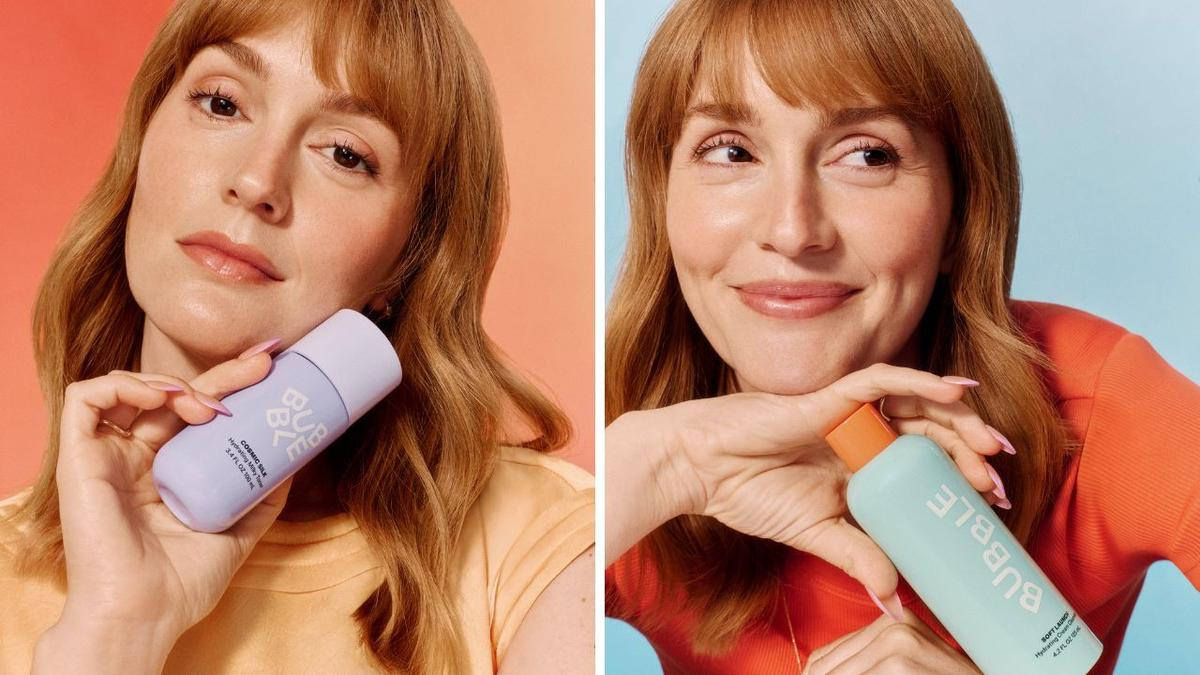
Bubble has only partnered with one macro influencer, Leighton Meester, who serves as the Global Brand Ambassador, hired mainly to headline and promote campaigns such as “Radical Joy” and to represent the brand’s mix of playful and premium skincare. Leighton’s messaging supports the brand as a simple, accessible skincare alternative that helps people find more joy in their routines. Leighton is an American actress and singer widely recognized for her lead role on the TV series Gossip Girl, among other film, TV, and music projects.
With all these approaches in play, it's worth asking—did Bubble's strategy work?
Bubble’s approach has delivered measurable impact: more than 127,000 #BubbleSkincare posts on TikTok, 4 million followers on their main TikTok account, and an impressive 12.6% engagement rate on @bubbleambassadors. By building a community where consumers feel integral to the brand through product testing, content creation, and direct engagement, Bubble has set a new standard for consumer-driven skincare. Their strategy demonstrates that authentic connection and community-first thinking can drive outstanding brand loyalty and success.

Mekhi Simpson
Writer and founding member at Shortlist, covering influencer marketing trends and strategies for brands in the creator economy.