Cluely’s UGC Strategy: Virality is a Certainty with Quantity

Cluely engineered its way across the internet by turning a single philosophy into a system that made virality a mathematical certainty. Virality is luck for most companies. Cluely made it a strategy, starting with a founder bold enough to put himself at the center of every storm.
A Three-Tiered Strategy:
On the surface, Cluely's strategy looked simple: flood every corner of the internet with content. But the execution was structured into three distinct tiers.
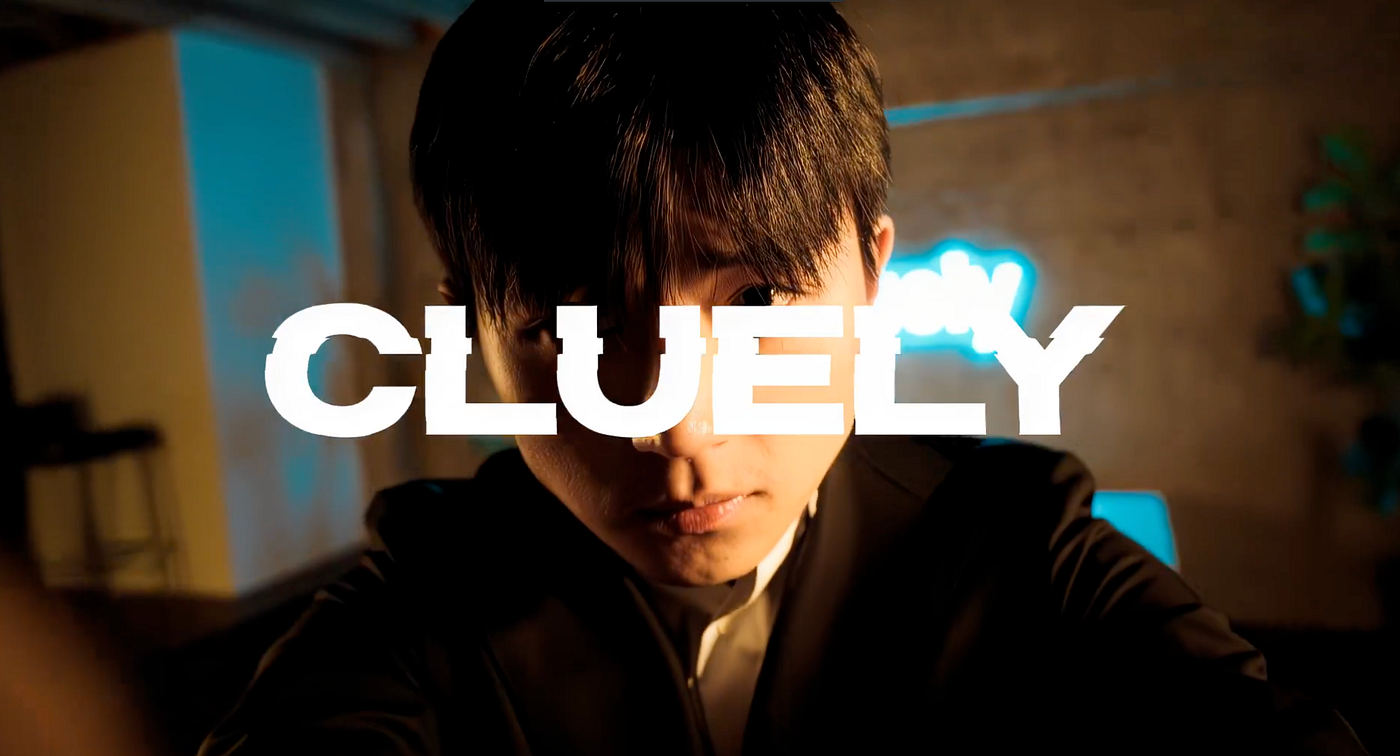
Clipper Network: Quantity Over Quality
Cluely's first tier was 10,000 active TikTok accounts. Around 700 clippers pulled the most outrageous and high-drama moments from their controversial CEO Roy Lee's podcasts and interviews and distributed them across TikTok. At that scale, bans and algorithm shifts were noise. The pay structure matched the philosophy: no flat rates, just per-1,000-view payments. Volume was baked into every incentive.
Internal Creator Team: We Only Hire Influence
Rather than building a traditional marketing team, Cluely built a creator team and called them interns. Every hire was a UGC creator who posted about Cluely four times a day. Across 50 interns, that was 200 pieces of content daily. The hiring bar wasn't years of marketing experience; it was a strong TikTok following and a consistent posting cadence. Every new hire didn't just join the company; they brought their audience with them.
Influencer Network: Quantity Wins Yet Again
Rounding out the strategy, Cluely launched with 60 UGC creators and influencers, a network that rapidly grew to over 100. They targeted mid-sized accounts with 10,000 to 100,000 followers, which provided engaged niche audiences at a fraction of the cost of larger creators. Each creator earned $20 to $40 per video, with a $1,000 performance bonus for any video surpassing 1 million views. The structure was deliberate: pay enough to keep creators producing consistently, then reward the ones that broke through, without committing to high fixed costs.
Why Did This Work so well?
The volume of content made failure irrelevant and iteration inevitable. With thousands of posts across thousands of accounts, Cluely was running a constant A/B test across hooks, formats, and styles without ever pausing to regroup. Each creator, internal or external, brought a distinct audience, giving Cluely a natural demographic reach without building any additional infrastructure. When something underperformed, it disappeared into the noise. When something worked, they doubled down. At that scale, virality stopped being a question of luck.
The Supporting Infrastructure
At the core of Cluely's operation was a reporting layer that most brands never build. To execute at that volume, they needed to know which formats were gaining traction, which accounts were outperforming, and which hooks were driving replays, and they needed that data fast enough to act on it. That feedback loop, where performance data fed back into content decisions in near real time, was what separated their strategy from a content spam operation.
Most brands will never have 10,000 accounts or 700 clippers. But the underlying logic is replicable: post with intent, measure everything, and double down on what works.
That's exactly what RoarOS is built for. Instead of guessing which content is working, you can ask RoarOS directly: "Which hooks are driving the highest engagement rate in this campaign?" or "Which creators are outperforming this month?" The reporting layer Cluely had to build from scratch is already here. The only question is what you do with it.
The Viral Format
The most efficient content strategies almost never involve inventing something new. The key is to identify a format that already works, deconstruct why it works, and rebuild it around your product, brand, and positioning.
Here are the exact formats Cluely used to engineer virality.
Format 1: Reaction + Demo
- Hook/Opening: Brief face reaction. Let your genuine response land before you say a word.
- Hook Copy: A short line that withholds just enough to keep the viewer watching. Written casually, like a real person texting a friend, not a brand writing an ad. Emojis signal that the content is native, not produced. Example: "I cannot believe this is free 😭" or "nobody is talking about this 👀"
- Body: Immediate tool demo, fast and focused.
- Sound: Environmental audio and natural talking. No music, no TikTok sounds.
- Editing: Deliberately minimal. Raw and unpolished on purpose.
- CTA: None. The demo sells it.
Format 2: Scripted Human-First
- Hook/Opening: Direct to camera personal intro: "Hi, my name is [Name], I go to [School]..."
- Body: A short personal story or reaction to the product. Feels like a peer recommendation, not a brand post.
- Sound: Natural talking, no music.
- Editing: Minimal.
- CTA: Soft, embedded in the story. Never a hard sell.
Shared across both formats
- No branded music or TikTok sounds
- No heavy production
- Template-based and replicable at scale
- Designed to blend into organic feed content, not stand out as an ad

Mekhi Simpson
Writer and founding member at Shortlist, covering influencer marketing trends and strategies for brands in the creator economy.